At least when it comes to the battery, Samsung’s S-series Ultra devices have always felt incremental at best.
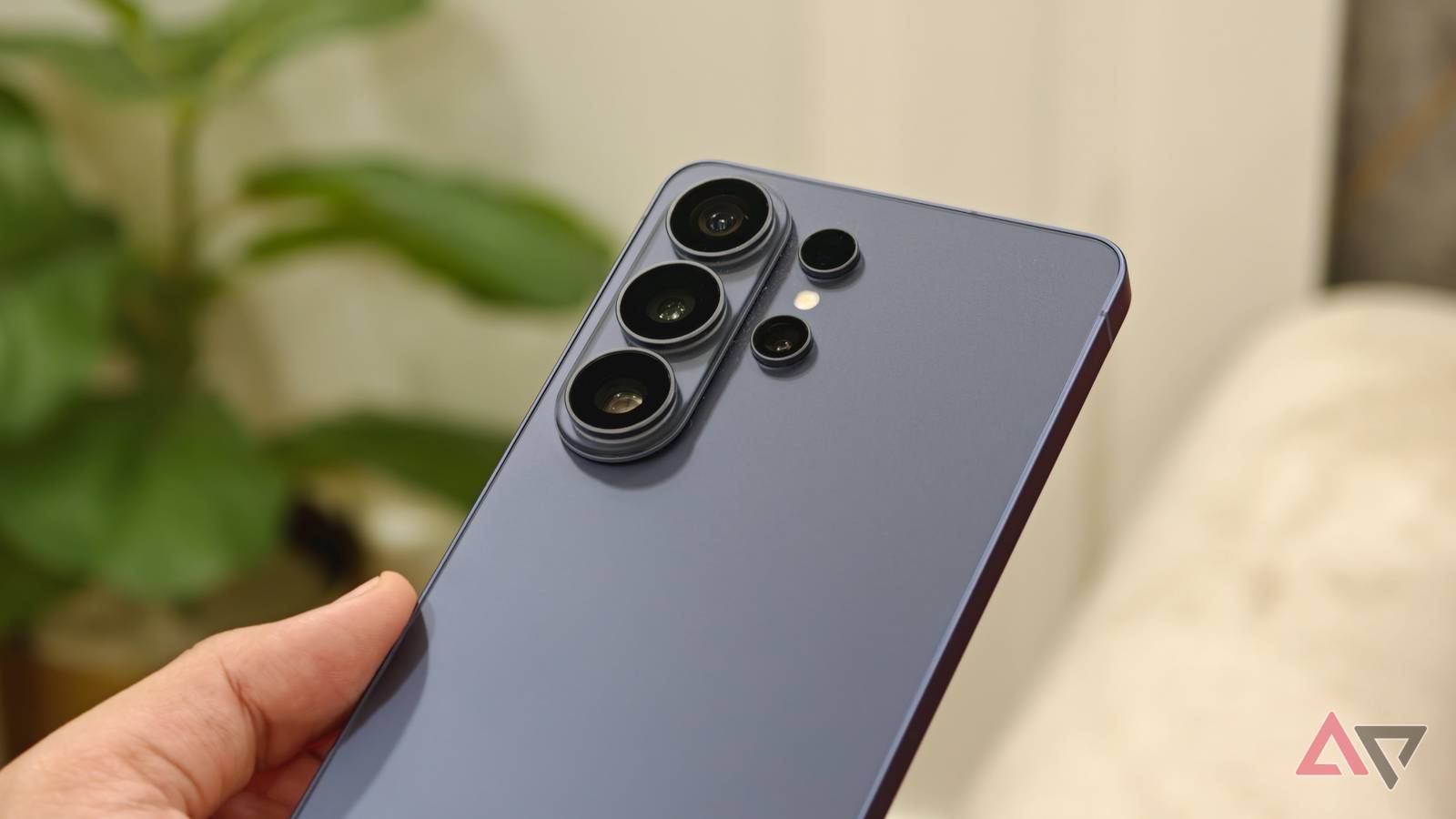
The tech giant’s latest and greatest Samsung Galaxy S26 Ultra features a 5,000mAh lithium-ion battery. You know which other Ultra phone boasts a 5,000mAh cell? The S25 Ultra, S24 Ultra, S23 Ultra, S22 Ultra, S21 Ultra, and yes, even the S20 Ultra.
Year-after-year, this has left the brunt of improving battery life on chip-related efficiency and user habits.
I added hours to my phone’s battery life by changing these 6 settings
Thankfully, it doesn’t have to be so complicated
Early leaks every year suggest that things might be different, and so is the case this time around. As pointed out by tipster Schrödinger, via Android Headlines, Samsung might finally be ready to give its upcoming flagships Silicon Carbon batteries.
That’s the same battery tech that other manufacturers like OnePlus use to offer massive mAh counts and a long battery life.
Samsung opting for Silicon Carbon batteries shouldn’t really come as a surprise. We’ve heard reports about the change in the past.

Another report claims the Galaxy S26 could tap silicon-carbon for massive battery gains
A change that could make a huge difference
“Reports from multiple sources point to a Silicon-Carbon smartphone being in active preparation, with the Galaxy S27 Ultra as the most likely first deployment,” reads Schrödinger’s report.
It adds that Samsung has several iterations of the battery tech in testing, and that the current bottleneck is only longevity. “Both prototypes failed at around 960 charge cycles against a commercial target of 1,500. Samsung’s engineers are actively reworking the separator layers, stacking architecture, and battery management firmware to get there. This is not a dead end, it’s an engineering iteration,” adds the report.
Considering that Samsung still has bottlenecks to work through, we’re not expecting the new battery tech to make its way to Samsung’s upcoming foldables. The new tech, if it makes its debut, will be with next year’s Galaxy S27 series.

Samsung Galaxy S27 Pro may deliver an Ultra experience without the name
An S27 Ultra minus the S Pen
PakarPBN
A Private Blog Network (PBN) is a collection of websites that are controlled by a single individual or organization and used primarily to build backlinks to a “money site” in order to influence its ranking in search engines such as Google. The core idea behind a PBN is based on the importance of backlinks in Google’s ranking algorithm. Since Google views backlinks as signals of authority and trust, some website owners attempt to artificially create these signals through a controlled network of sites.
In a typical PBN setup, the owner acquires expired or aged domains that already have existing authority, backlinks, and history. These domains are rebuilt with new content and hosted separately, often using different IP addresses, hosting providers, themes, and ownership details to make them appear unrelated. Within the content published on these sites, links are strategically placed that point to the main website the owner wants to rank higher. By doing this, the owner attempts to pass link equity (also known as “link juice”) from the PBN sites to the target website.
The purpose of a PBN is to give the impression that the target website is naturally earning links from multiple independent sources. If done effectively, this can temporarily improve keyword rankings, increase organic visibility, and drive more traffic from search results.